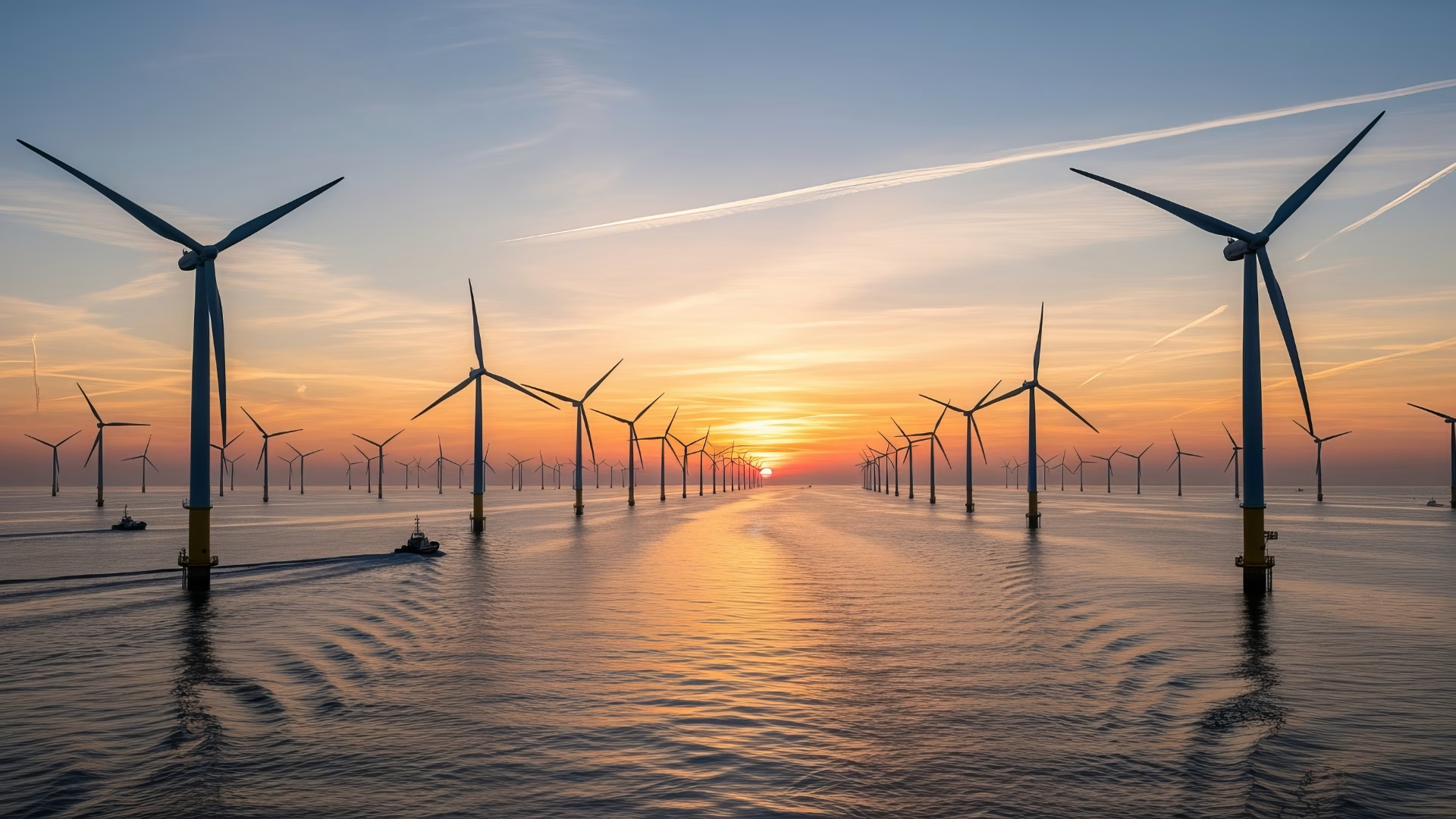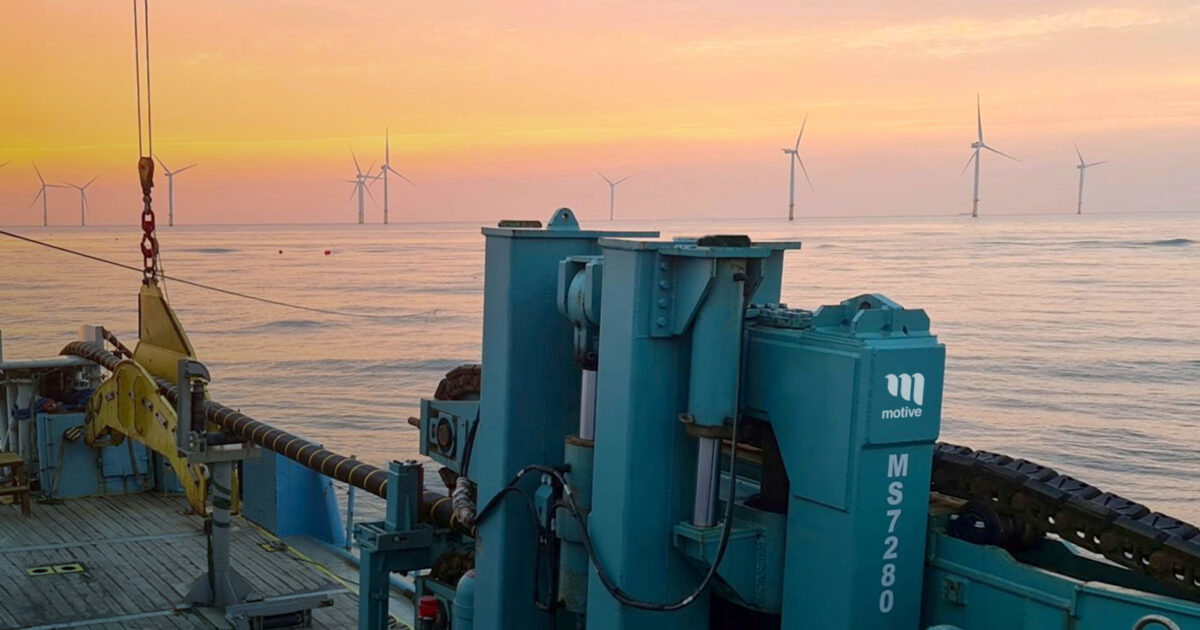
Subsea cables are the unseen infrastructure powering 95% of global internet traffic and connecting the fast-growing web of offshore wind, interconnectors, and transmission grids. At Calash, we are tracking how this critical network is hitting a breaking point.
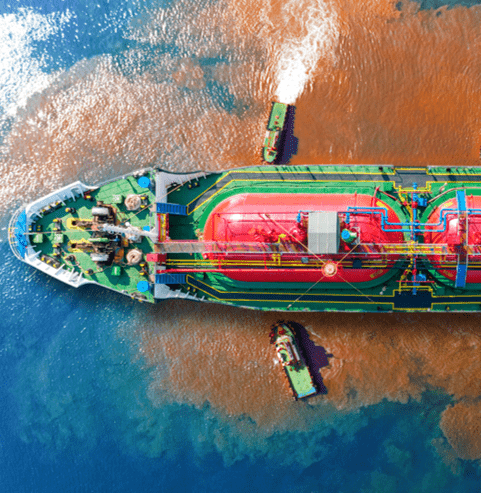
As networks expand, so do the risks. Telecom cable failures cost $1–3m per incident, while power cable repairs can exceed $100m, with outages lasting months. With 70 new telecom systems coming online by 2027, Calash market analysis suggests fault frequency will only keep rising.
The Bottleneck
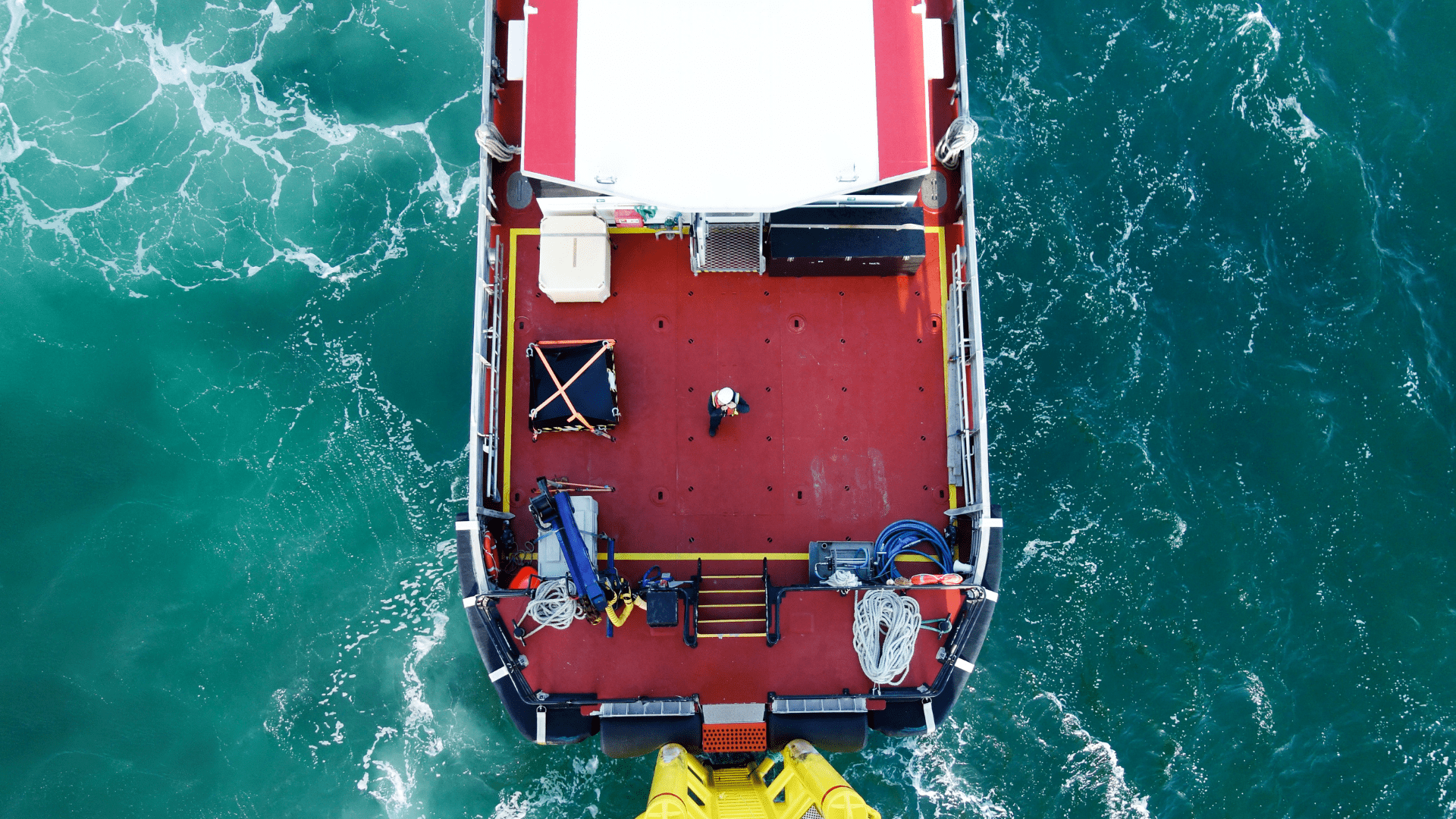
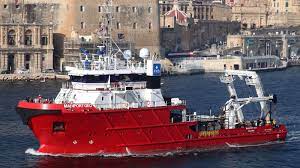
– Vessel Scarcity: Repair vessels are in extremely high demand.
– Rising Overheads: Day rates and mobilisation costs continue to climb.
The Calash Perspective: Innovation as a Solution
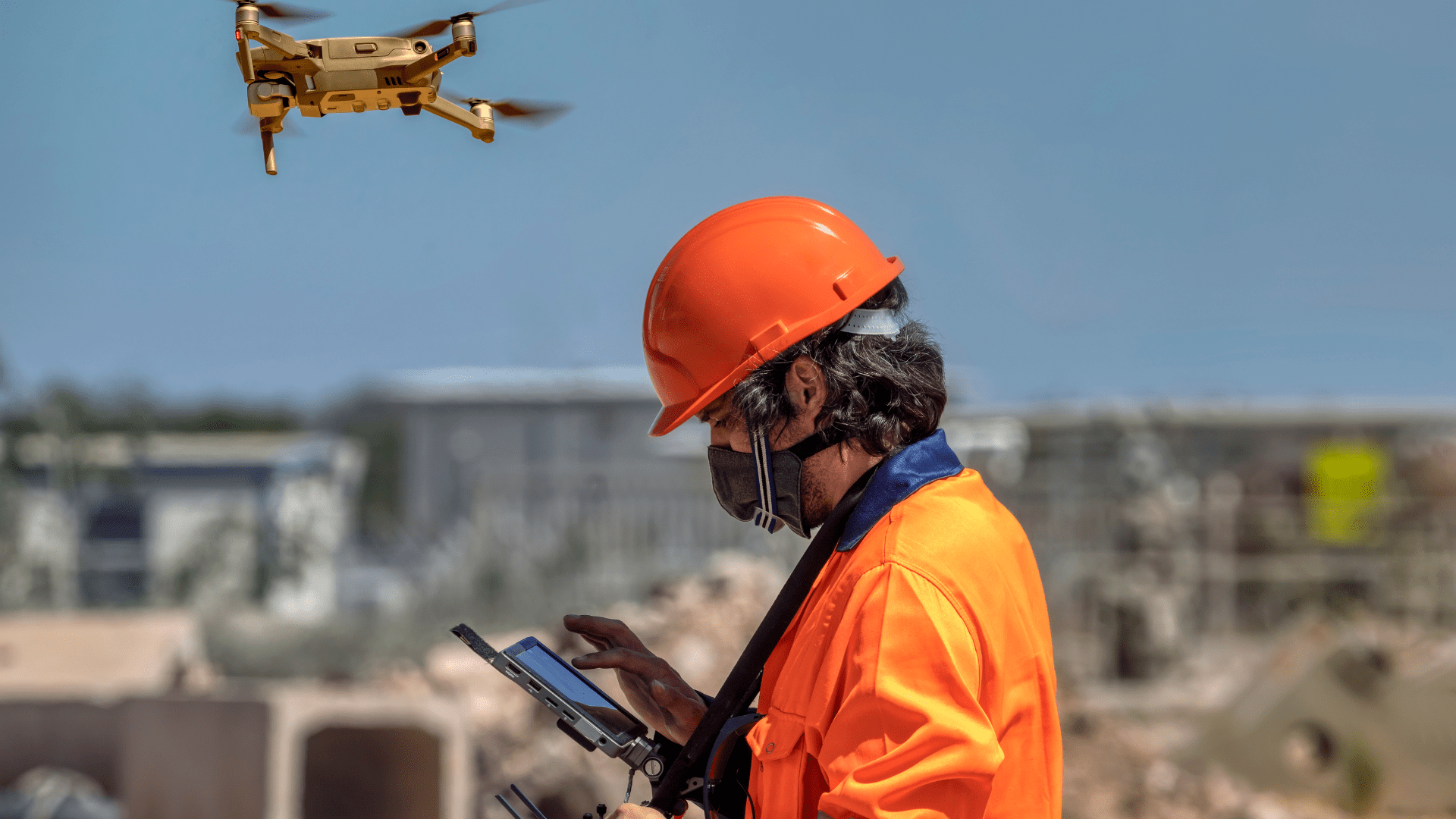
However, there is a massive opportunity for cost-saving. For certain repairs, AUVs, USVs, and ROVs are already reducing subsea IRM costs by up to 70%. A recent WHOI deployment in Buzzards Bay proved how autonomous tech slashes vessel time on telecom cable inspections.
The tech is here. The case is made. It’s time to invest in the service capability we all rely on.
Get the Full Report
Download the latest Calash guide, ‘Subsea Infrastructure Failure: Market Risks, Costs and Opportunities,’ for in-depth insights into these market dynamics and to identify key investment areas.
Authored by Elliot Hobson.
What do you do next?
Reach out to one of the Calash team below, and we can arrange a confidential discussion on your business needs and where we can provide the most appropriate support. We always tailor our advice and consulting solutions to our clients and seek to integrate them into your existing business development resources at whatever level of depth is preferred.
It all starts with a conversation to understand your objectives.

Director
i.gallow@calash.com