Turner Iceni required a focused market review to better understand customer appetite for its M-HAS condition-monitoring solution and non-destructive testing (NDT) inspection services. Adoption to date had been below expectations, and Turner Iceni wanted clarity on product-market fit, routes to market, partner channels and opportunities to create more recurring revenue. Calash was engaged to conduct targeted market research, a high-level competitive assessment, and strategic recommendations.
What Does Turner Iceni Do?
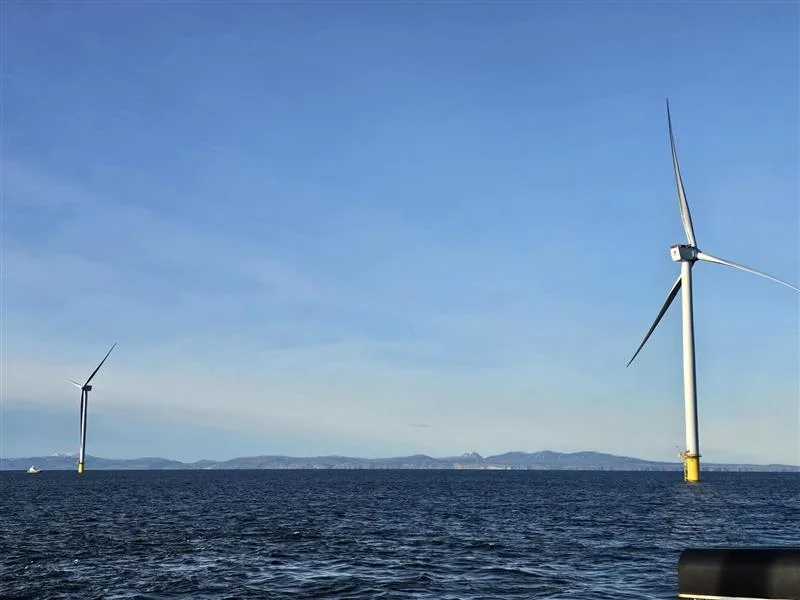
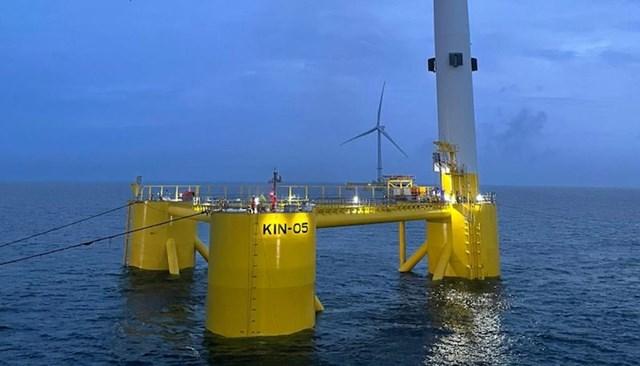
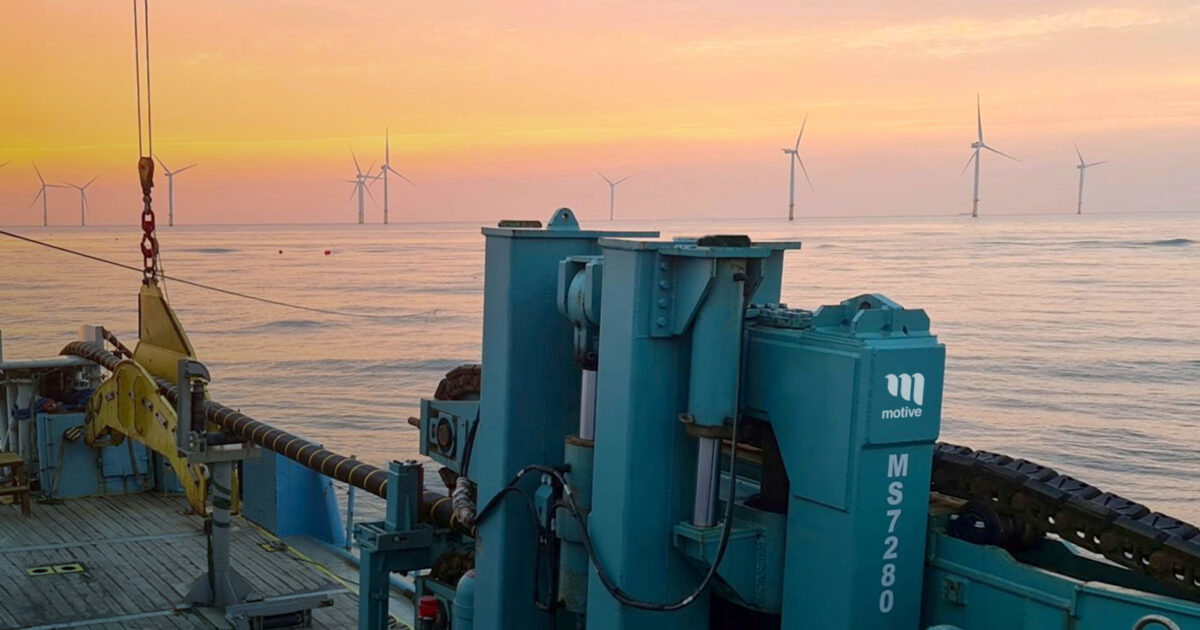
Turner Iceni provides a suite of onshore and offshore wind support services, notably:
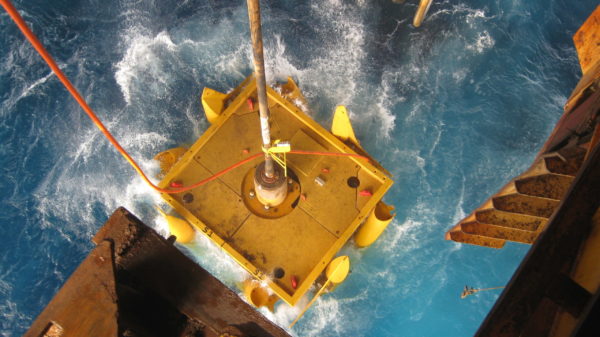
• NDT inspection services to identify defects and support life extension work
• M-HAS, an in-house condition monitoring solution that collects and analyses turbine data
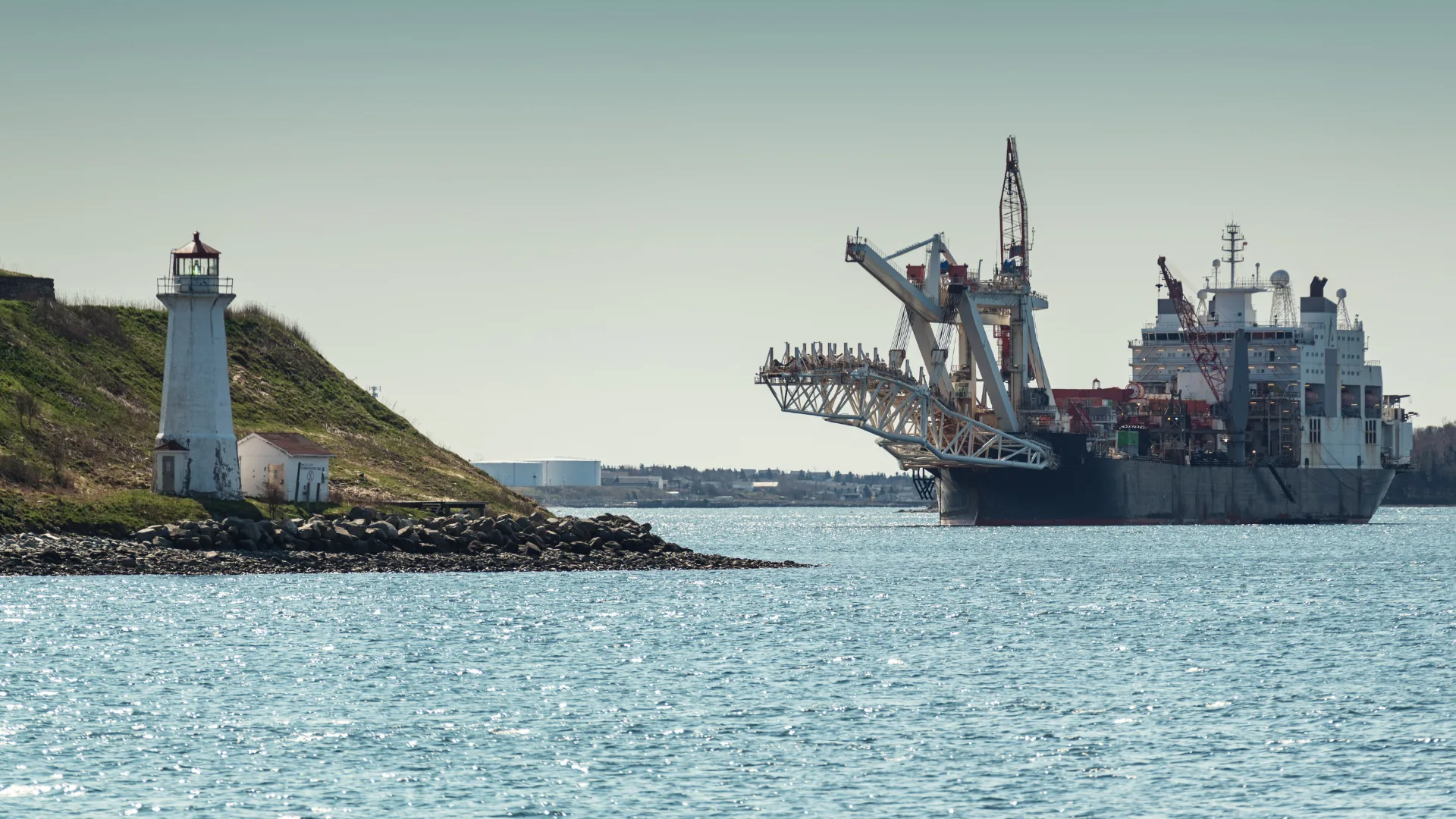
• Vessel and logistics services that can be bundled with technical capability for mobilising teams offshore
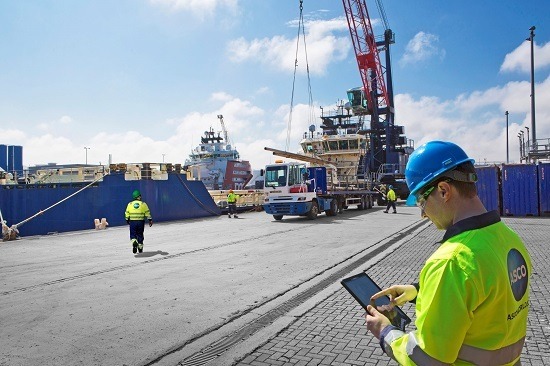
Operational delivery is often coordinated with crew transfer vessels, where technician movement and equipment handling influence mobilisation efficiency. Contract lengths range from short mobilisation windows to longer O&M frameworks that support more predictable utilisation and revenue.
Calash’s Role
Calash ran a condensed programme of market calls, client referencing and competitor benchmarking to:
• Validate demand drivers for inspection and condition monitoring across construction, commissioning and O&M phases
• Map common procurement routes and key purchasing criteria used by operators and OEMs
• Benchmark Turner Iceni’s capability versus peers and document where M-HAS and NDT services add most commercial value
• Identify route to market options, partner types and sensible international expansion corridors
Findings were synthesised into a short briefing and a prioritised set of strategic themes to inform sales pipeline development.
Recommendations
• Clarify and simplify the value proposition for M-HAS and NDT so it maps directly to operator KPIs, such as downtime reduction and life extension.
• Prioritise routes that create recurring revenue, for example, longer-dated O&M frameworks and periodic inspection contracts.
• Leverage partner channels selectively rather than broad distribution. Partners who control vessel logistics or have operator relationships can materially shorten sales cycles.
• Align commercial offers with offshore logistics, especially CTV scheduling, to improve mobilisation economics and utilisation.
• Build concise demonstration packages and case material to overcome procurement reluctance and accelerate conversion.
• Test international expansion opportunistically against existing technical and vessel capability, prioritising markets with similar procurement behaviour.
Outcome
Calash provided Turner Iceni with a clear, non-proprietary market view and a small set of prioritised, actionable themes to improve sales conversion and move the business toward more predictable, recurring revenue streams.